
You come home after a long day, expecting a clean floor, but instead find the robot vacuum stranded mid-room with a full bin. It has to happen. Self emptying robot vacuums solve that problem by automatically transferring debris from the robot into a sealed base, so you only empty the main container every few weeks. In this guide, we break down five of the best self emptying robot vacuums for 2026, covering models from Shark, iRobot, and roborock. Whether you have pets, carpets, or a mix of hard floors, we help you find the perfect hands-free cleaner.



Buying Guide: What to Look For in a Self Emptying Robot Vacuum
Self Emptying Capacity and Bag Maintenance
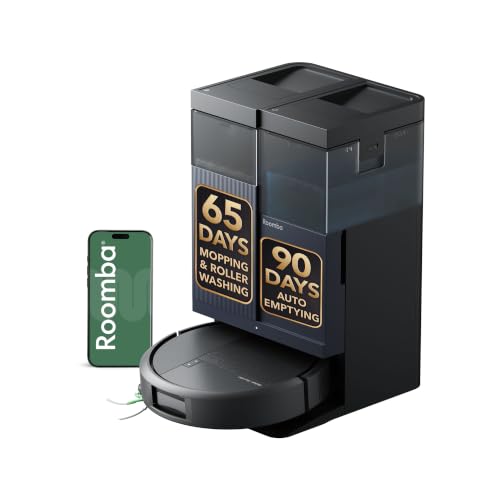
The whole point is hands-free operation, so the capacity of the self-emptying base matters most. Some models, like the iRobot Roomba 415X, hold up to 90 days of debris, while others last 30 to 70 days. Also check whether the base uses bags or is bagless. Bagless bases save you from buying refills but may require more frequent filter cleaning. If you prefer zero-touch disposal, look for a sealed bag system.
Navigation and Obstacle Avoidance
A robot that bumps into furniture or gets stuck on cords isn’t truly hands-free. LiDAR navigation, as seen in the Shark AV2501S AI Ultra and roborock models, creates precise maps and avoids obstacles even in low light. Some models also include structured light or camera-based obstacle detection. For homes with clutter or pet toys, choose a robot with strong object recognition so you don’t have to pre-clean the floor.
Mopping Integration
Many self emptying robot vacuums now include mopping, but not all are equal. Look for models that lift the mop pad when crossing carpet, like the roborock Q10 S5+ and the Shark Matrix Plus. Sonic or vibrating mop pads scrub stains better than passive dragging. If you have mostly hard floors, a robot that washes and dries its own mop pads, like the iRobot Roomba 415X, adds even more convenience.
Suction Power and Pet Hair Handling
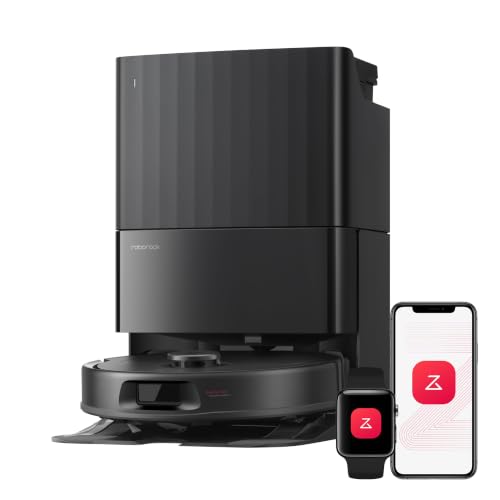
Pet owners need strong suction and tangle-free brushes. The roborock Qrevo S Pro delivers 18,500 Pa suction, while the Shark AV2501S AI Ultra uses a self-cleaning brushroll to prevent hair wrap. For homes with long hair or heavy shedding, prioritize models with anti-tangle systems and high suction ratings. Check the brush design; rubber brushes tend to resist hair tangling better than bristle ones.
Final Thoughts
After evaluating suction, navigation, mopping, and self-emptying convenience, we recommend the Shark AV2501S AI Ultra Robot Vacuum for its bagless HEPA base and precise LiDAR mapping at a great value, and the iRobot Roomba 415X Robot Vacuum & Mop Combo for those who want the longest hands-free interval with automatic mop washing and drying. Both offer reliable daily cleaning with minimal effort, so you can finally enjoy truly spotless floors without the constant upkeep.
Frequently Asked Questions
How often do I need to empty a self emptying robot vacuum base?
It depends on the model. Some bases hold 30 days of debris, while others last up to 90 days. For example, the iRobot Roomba 415X can go about three months before you need to swap the bag. Check the manufacturer’s specifications for your specific model.
Can self emptying robot vacuums handle pet hair without clogging?
Yes, most modern models are designed for pet hair. Look for tangle-free brushrolls and strong suction. The Shark AV2501S AI Ultra features a self-cleaning brushroll that actively removes hair wrap, while roborock models use rubber brushes that resist tangling. Regular maintenance of the base’s airway also helps prevent clogs.
Do self emptying robot vacuums work on carpets and rugs?
Absolutely. Many models automatically boost suction on carpets for deeper cleaning. If the robot also mops, it should lift the mop pad when transitioning to carpet to avoid wetting. The roborock Q10 S5+ and Shark Matrix Plus both handle carpet detection well. For thick rugs, check the robot’s clearance height to ensure it doesn’t get stuck.
Are self emptying robot vacuums worth the extra cost?
For busy households or pet owners, the convenience is well worth it. You avoid the daily chore of emptying the dustbin, and the sealed base traps allergens better than an open bin. The extra upfront cost pays off in time saved and cleaner air. If you want a truly hands-free experience, a self emptying model is the way to go.