

You stand in the aisle, staring at rows of vacuums, wondering if you should go with the traditional bagged model or the trendy bagless design. It’s a common dilemma. Both have loyal fans, but the choice affects your comfort, your air quality, and even your wallet over time. In 2026, the market is full of options from trusted brands like Kenmore and Eureka, each with its own approach to dirt collection.
This guide breaks down the bagged vs bagless vacuum debate, highlights the key differences, and reviews six top models to help you decide which type fits your home and lifestyle. Whether you have pets, allergies, or just want a quick cleanup, we’ll cover what matters most. For a broader look at floor care, check out our best cordless stick vacuum guide as well.


Buying Guide: Key Takeaways for Choosing Your Vacuum
Filtration and Allergen Control
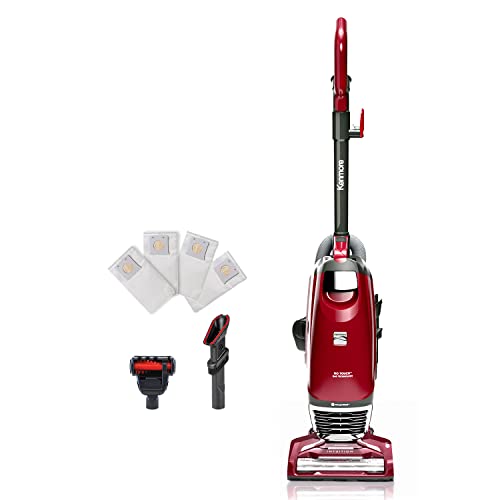
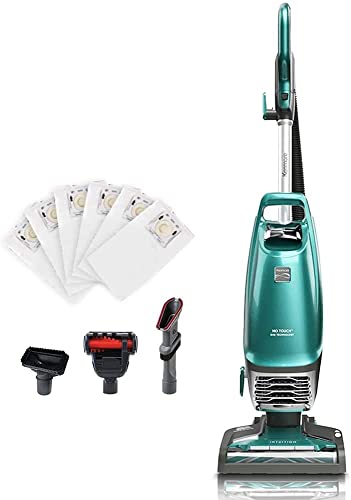
If you or a family member suffers from allergies, filtration is your top priority. Bagged vacuums typically use sealed HEPA filtration that traps dust, pollen, and pet dander inside a disposable bag. The Kenmore Intuition Bagged models feature a completely sealed air path, ensuring 99.97% of particles stay locked away.
Bagless vacuums rely on cyclonic action and washable filters, but emptying the dust cup can release dust back into the air unless you do it carefully. For the best allergy protection, consider a sealed bagged system.
Maintenance and Convenience
Bagless vacuums offer the convenience of not buying replacement bags. You simply empty a see-through canister and occasionally clean or replace the filter. The Eureka Whirlwind Bagless Canister is a prime example, with a 2.5-liter container and washable filters that keep running costs low.
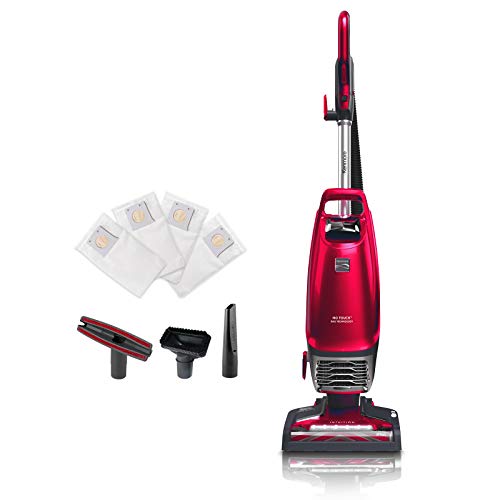
Bagged vacuums, on the other hand, require you to purchase new bags periodically, but the “No Touch Bag” technology from Kenmore eliminates messy changes. Once the bag is full, you press a button and the self-sealing bag drops into the bin. This often means less direct contact with dust and allergens.
Cost of Consumables
While bagless vacuums have no recurring bag costs, they may need filter replacements every few months. Bagged vacuums require a steady supply of bags, but those bags often provide better filtration and sometimes last longer than a filter. Over a year, the difference might be small, but it’s worth calculating based on your usage.
The Eureka 3670M Canister Cleaner is an affordable bagged option that includes five bags upfront, giving you a head start. If you’re watching your budget, consider how often you clean and how long each bag or filter lasts.
Pet Hair and Versatility
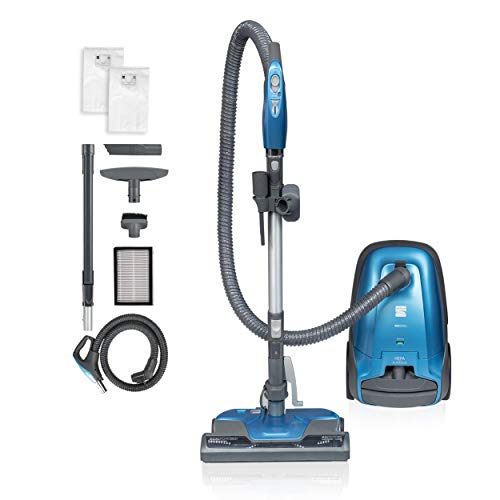
Pet owners need a vacuum that handles fur on carpets, upholstery, and hardwood floors. The Kenmore Pet Friendly Bagged Canister comes with specialized attachments and a motorized brush roll that lifts stubborn pet hair effectively. Similarly, the Kenmore Intuition Bagged Pet features a lift-up design for cleaning stairs and above-floor areas.
Bagless models like the Eureka Whirlwind often boast integrated tools and a lightweight build, making them agile for quick cleanups. However, they may not have the raw suction power of a dual-motor bagged unit. If you have multiple floor types, look for height adjustments and a swivel head.
Final Thoughts
Choosing between a bagged and bagless vacuum ultimately comes down to your priorities. If you want maximum cleanliness and minimal contact with allergens, the Kenmore Intuition Bagged Upright Vacuum Cleaner is a stellar choice with its sealed HEPA filtration and No Touch bag system. On the flip side, if you prefer zero ongoing bag purchases and a lightweight, budget-friendly option, the Eureka Whirlwind Bagless Canister Cleaner NEN110A offers excellent convenience and washable filters. Both types can keep your home spotless, but understanding your daily routine will guide you to the perfect fit.
Related Guides
Frequently Asked Questions
Which is better: bagged or bagless vacuum?
There’s no one-size-fits-all answer. Bagged vacuums excel at trapping allergens and are easier to empty without touching dust, making them ideal for allergy sufferers. Bagless vacuums save money on bags and are generally lighter, but they can release dust when emptying and require more frequent filter cleaning.
How often should I replace vacuum bags?
It depends on usage, but a typical household should replace the bag every 1-2 months or when the fill indicator signals it’s full. In 2026, many models like the Kenmore Intuition feature a bag fill indicator, so you’ll know exactly when it’s time.
Are bagless vacuums more powerful than bagged ones?
Not necessarily. Suction power depends on motor design and airflow, not the bag type. Many bagged models, like the Kenmore Intuition Lift-Up, use dual-motor systems for strong, consistent suction even as the bag fills. Bagless vacuums can lose suction as the dust cup fills, but this varies by brand.
Can bagless vacuums handle pet hair as well as bagged models?
Yes, many bagless vacuums have specialized pet tools and strong suction. However, bagged models often include motorized brush rolls that are particularly effective against embedded fur. For pet owners, the Kenmore Pet Friendly Bagged Canister is designed specifically for this task, but the Eureka Whirlwind also does a decent job with its integrated crevice tool.
