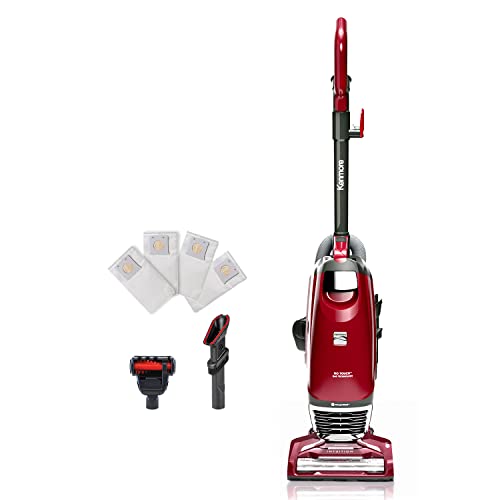

Imagine this: you’ve just finished cooking a big meal, and the kitchen tile floor is a mess of splattered sauce, crumbs, and a spilled glass of water. You grab a mop, but it just pushes the grime around, leaving streaks and a damp, sticky film. This is where a wet dry vacuum for tile floors changes everything. These all-in-one machines vacuum and mop simultaneously, lifting both wet and dry messes in a single pass, leaving your tile spotless and dry in seconds.
In this guide, we’ve evaluated the top cordless wet dry vacuums to help you find the perfect match for your tile floors. Whether you have large-format porcelain tiles, textured ceramic, or natural stone, we’ll break down the key features that matter most, from suction power and edge cleaning to battery life and self-cleaning convenience. For a broader look at the category, check out our best wet dry vacuum mop picks.




Buying Guide: What to Look for in a Wet Dry Vacuum for Tile Floors
Choosing the right wet dry vacuum for your tile floors involves more than just picking a popular brand. Here are the critical factors we considered when evaluating these models.
Suction Power and Water Flow
For tile floors, strong suction is non-negotiable. It needs to lift debris from grout lines and pick up standing water effectively. Look for models with at least 20,000 Pa of suction, like the roborock F25 BX, which boasts 20,000 Pa, or the Tineco Floor ONE i5 Stretch with its 20 kPa rating. Equally important is the water flow rate, which determines how much cleaning solution is applied to the floor. A consistent, adjustable flow ensures you’re not leaving excess moisture that can seep into grout.
Smart sensors are a game-changer. The Tineco Floor ONE S5, for instance, uses iLoop technology to automatically adjust suction and water flow based on the dirt level detected. This not only optimizes cleaning but also extends battery life and ensures your tile isn’t over-saturated.
Edge and Corner Cleaning
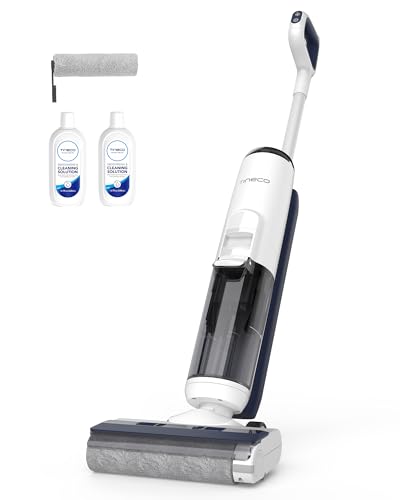
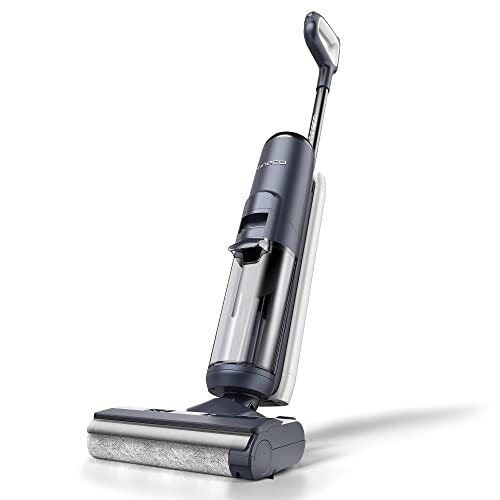
Tile floors often meet walls, baseboards, and cabinets, creating edges where dirt and grime accumulate. A wet dry vacuum with dual-sided edge cleaning or a zero-gap design is essential. The Bissell CrossWave Edge features ZeroGap Technology on the right side of the brush roll, allowing you to clean right up to the wall. Similarly, the Tineco Floor ONE Stretch S6 and i5 Stretch offer dual-sided edge cleaning, so you can approach from any angle without missing a spot.
For tight spaces like under cabinets or low furniture, a 180° lay-flat design is a huge advantage. Models like the Tineco Stretch S6 and roborock F25 GT Gen 2 can recline fully to reach hidden dust bunnies and debris that other cleaners miss. This feature is particularly useful in kitchens and bathrooms where toe-kicks and vanities create awkward angles.
Self-Cleaning and Maintenance
Let’s face it, cleaning the cleaner is a chore no one wants. That’s why self-cleaning functionality is a top priority. Most modern wet dry vacuums, including all the models in this roundup, offer a self-cleaning mode that flushes the brush roller and internal tubing with clean water. Some, like the roborock F25 BX, take it a step further with high-temperature water and hot air drying, which not only cleans but also sanitizes and deodorizes the brush, preventing mold and mildew growth.
Consider the ease of emptying the dirty water tank and cleaning the filter. The Tineco iFLOOR 5 Breeze has a dual-tank system that separates clean and dirty water, and its flat scraper ensures the brush stays clean during use. Regular maintenance, like rinsing the filter monthly, is simple and quick. For more details on maintaining your machine, our best hard floor cleaner machines guide offers additional tips.
Battery Life and Runtime
Tile floors can span a large area, so battery life is a practical concern. Look for models that offer at least 30 minutes of runtime on a single charge. The Tineco Floor ONE Stretch S6 leads the pack with up to 40 minutes, thanks to its upgraded pouch battery. The roborock F25 GT Gen 2 and Tineco iFLOOR 5 Breeze offer around 30 minutes, which is sufficient for most apartments and smaller homes.
Also, consider the charging time. Some models take a few hours to fully recharge, which might be a factor if you have a large home and need to clean in multiple sessions. A removable battery, like in the Tineco Stretch S6, is a bonus as it allows for quick swaps if you have a spare.
Final Thoughts
After evaluating these top wet dry vacuums, it’s clear that the Tineco Floor ONE Stretch S6 Cordless Wet Dry is the standout choice for tile floors, offering exceptional 180° lay-flat reach, dual-sided edge cleaning, and a powerful 40-minute runtime. For a more budget-friendly option that doesn’t compromise on performance, the roborock F25 BX Wet Dry Vacuum Cleaner delivers robust 20,000 Pa suction, smart dirt detection, and rapid hot-air drying, making it a fantastic value for most households.
Related Guides
- Best Wet Dry Vacuum for Hard Floors in 2026
- Wet Dry Vacuum Black Friday Deals 2026
- Bissell CrossWave HydroScrub Review
Frequently Asked Questions
Can I use a wet dry vacuum on all types of tile floors?
Yes, wet dry vacuums are safe for most sealed hard floors, including ceramic, porcelain, and natural stone tile. However, always check the manufacturer’s guidelines. For unsealed or porous tiles like some travertine or slate, it’s best to consult with a floor care professional before using any wet cleaning method.
How do I prevent streaks on my tile floors?
Streaks are often caused by using too much water or a dirty brush roller. Look for models with dual scrapers or flat squeegees, like the roborock F25 BX, which effectively remove excess water. Also, ensure your brush roller is clean and that you’re using the appropriate cleaning solution for your tile type.
Are wet dry vacuums heavy and difficult to maneuver?
Modern cordless wet dry vacuums are designed with lightweight materials and ergonomic features. Models like the roborock F25 GT Gen 2 weigh just 9 lbs and feature 180° lie-flat reach and 70° swivel steering, making them easy to maneuver under furniture and around tight corners. Many also have self-propelling wheels, reducing strain on your wrist and arm.
How often should I run the self-cleaning cycle?
It’s recommended to run the self-cleaning cycle after every use to prevent dirt and bacteria from building up inside the machine. Some models, like the Tineco Floor ONE S5, also have a centrifugal drying function that keeps the brush roller dry and fresh. For deep maintenance, refer to the user manual, but a monthly filter cleaning is a good habit. If you have pets, you might find our top carpet cleaners for home use guide helpful for other surfaces.