
🔥 Black Friday Robot Vacuum Deals 2026: picks worth watching →
You have beautiful hard floors, but keeping them spotless without scratching the surface can feel like a constant battle. A canister vacuum is often the best tool for the job, offering superior maneuverability and gentle suction that uprights sometimes lack. This guide reviews the best canister vacuum for hard floors in 2026, covering models from trusted brands like Miele, Eureka, Kenmore, and Bissell to help you choose the right one for your home.


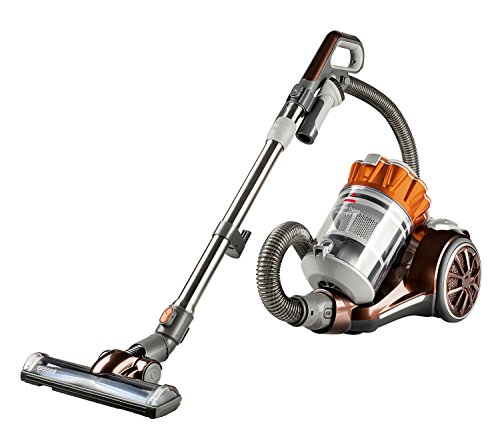


Buying Guide
Floor Type Compatibility
Not all vacuums are safe for all hard floors. Look for models with a dedicated hard floor setting or a brush roll that can be turned off. Some vacuums, like the Miele Classic C1 Turbo Team Vacuum for Hard Floors, come with a parquet floorhead that uses gentle bristles or felt to prevent scratches. Others offer a combination floorhead that adapts to different surfaces with a simple foot switch.
If you have a mix of hard floors and low-pile carpet, a canister with a turbo brush or adjustable height settings is a smart choice. For exclusively hard floors, a pure suction model is often more affordable and just as effective.
Filtration System
Hard floors don’t trap dust as well as carpet, so a good filtration system is crucial for maintaining indoor air quality. Bagged canister vacuums, like those from Miele, use a three-tiered filtration system that captures fine particles and expels cleaner air. Bagless models often include HEPA filters, such as the H13 HEPA filter in the Aspiron Canister Vacuum, Upgraded 1600W Bagless, which traps allergens and dust mites.
For allergy sufferers, a sealed system with a HEPA filter is a must. This ensures that no dust escapes back into the room during vacuuming.
Maneuverability and Reach
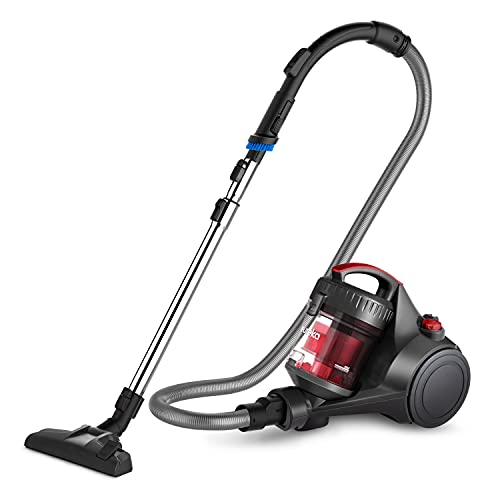
One of the biggest advantages of a canister vacuum is its ability to navigate around furniture and under beds. Look for models with swivel steering, a telescoping wand, and a long cord. The Eureka Bagless Canister Vacuum Cleaner weighs less than eight pounds and features a telescoping metal wand for easy reach.
Automatic cord rewind is another convenience feature that saves time and effort. A model with a wide cleaning radius, like the Aspiron’s 33-foot reach, allows you to clean large rooms without changing outlets.
Attachments and Versatility
The right attachments make a canister vacuum a versatile cleaning tool. For hard floors, a wide parquet brush or a soft dusting brush is essential for gentle cleaning. Crevice tools and upholstery nozzles help you clean baseboards, furniture, and tight corners.
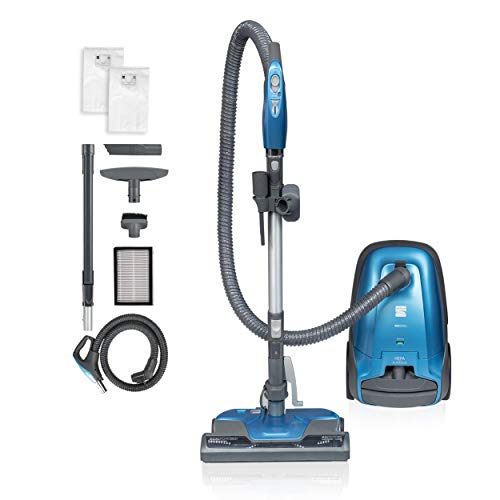
Some models, like the Kenmore Pet Friendly Lightweight Bagged Canister, come with specialized pet hair tools. If you have stairs, a lightweight canister with a long hose makes the job much easier. For more on attachments, check out our guide to the best small canister vacuum with attachments.
Final Thoughts
After evaluating the top contenders, the Miele Classic C1 Turbo Team Vacuum for Hard Floors stands out for its exceptional German engineering, powerful suction, and gentle hard floor performance, making it a worthwhile investment for those who prioritize quality. For a more budget-friendly yet highly capable option, the Eureka Bagless Canister Vacuum Cleaner offers impressive lightweight maneuverability and solid cleaning power at a fraction of the cost, perfect for smaller homes or apartments.
Related Guides
- Best Canister Vacuum with Powerhead in 2026
- Eureka Whirlwind Canister Vacuum Review
- Bissell Zing Bagless Canister Vacuum Review
- Kenmore 81214 200 Series Bagged Canister Vacuum Review: Top Pet-Friendly Pick for 2026
Frequently Asked Questions
Can a canister vacuum scratch my hardwood floors?
Most canister vacuums are safe for hardwood floors when used with the correct floorhead. Always use a parquet brush or a floorhead designed for hard floors, and avoid using a beater bar or rotating brush on delicate surfaces. The Miele Guard M1 Parquet XL Bagged Canister Vacuum comes with an XL Parquet brush specifically designed for gentle cleaning.
What is the difference between bagged and bagless canister vacuums for hard floors?
Bagged canister vacuums, like those from Miele and Kenmore, use disposable bags that trap dust and allergens, making them ideal for allergy sufferers. They also tend to have better filtration. Bagless models, such as the Eureka and Aspiron, save money on bags but require regular filter cleaning and can release dust when emptying. For a deeper dive, read our article on best bagged canister vacuum for pet hair.
How often should I replace the filter in my canister vacuum?
Filter replacement depends on usage and model. For bagged vacuums, replace the bag when it is full, and clean or replace the exhaust filter every three to six months. For bagless models, wash the foam or HEPA filter every one to three months and replace it annually. Always check your vacuum’s manual for specific recommendations.
Are canister vacuums better than upright vacuums for hard floors?
Canister vacuums are often preferred for hard floors because they are lighter, easier to maneuver around furniture, and have gentler floorheads. Upright vacuums can be bulkier and may have brush rolls that can scratch hard floors. However, some modern uprights offer adjustable settings. For more comparisons, visit our Upright & Canister category page.