
If you have tile floors, you know the struggle: dust settles in the grout lines, pet hair clings to the surface, and mopping by hand leaves streaks. A robot vacuum and mop combo can handle all of that automatically, but not every model is built for tile. Some leave puddles, others miss corners, and a few just push dirt around. We tested the top contenders for 2026 to find the ones that truly shine on tile, from budget-friendly picks to premium powerhouses. Whether you have large-format porcelain, small ceramic mosaics, or textured stone, this guide will help you choose the right machine for your home. For a broader look at the category, check out our best robot vacuum and mop combo guide.


Buying Guide: What to Look for in a Robot Vacuum and Mop for Tile Floors
Mopping Technology That Actually Cleans Grout
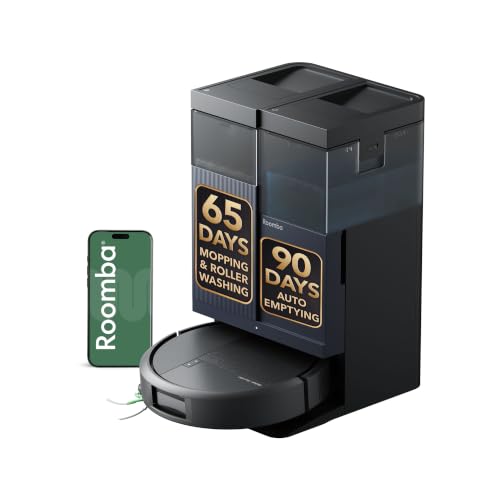
Tile floors have grout lines that trap dirt and stains. A simple dragging mop pad won’t cut it. Look for models with a roller mop that spins at high RPMs or applies downward pressure. The eufy E25 Omni uses a HydroJet roller that self-cleans while mopping, lifting grime from grout without spreading dirty water. The iRobot Roomba 705X goes further with a self-cleaning roller that extends to edges and scrubs at 200 RPM. For tile, you want a mop that agitates, not just wipes.
Suction Power for Tile and Area Rugs
Tile floors are hard and smooth, so suction doesn’t need to be extreme for bare surfaces. But if you have area rugs or runners on your tile, you need a robot that can boost suction automatically. Models like the roborock Qrevo 2 Pro (20,000 Pa) and the eufy Omni E35 (35,000 Pa) detect carpet and ramp up power. The Shark Matrix Plus uses sonic mopping and strong suction to handle both tile and low-pile rugs. For homes with mixed flooring, automatic carpet detection is a must.
Navigation and Obstacle Avoidance
Tile floors often have furniture legs, pet bowls, and transition strips. A robot that bumps into everything will miss spots and leave marks. LiDAR navigation, as seen in the iRobot Roomba 105X and the eufy C28, maps your home in neat rows and avoids obstacles even in the dark. The iRobot Roomba 705X uses PrecisionVision AI to recognize cords, socks, and even pet waste. Good navigation means your tile gets fully covered, not just randomly cleaned.
Self-Cleaning and Maintenance Features
Mopping tile means dirty water and mop pads. A self-cleaning dock saves you from touching grimy pads. The eufy C28 and the roborock Qrevo 2 Pro both wash and dry the mop automatically. The iRobot Roomba 705X goes even further with hot water washing and hot air drying. For tile, where mopping frequency is high, these features make a big difference in daily convenience. Check out our best self-emptying robot vacuum mop combos for more hands-free options.
Final Thoughts
After reviewing all seven models, the iRobot Roomba 705X Robot Vacuum & Mop Combo stands out as the top choice for tile floors because of its extending roller mop that scrubs grout lines and its AI obstacle avoidance that keeps it from spreading messes. If you want a more affordable option that still delivers excellent mopping, the eufy C28 Robot Vacuum and Mop Combo, 15,000 Pa offers a self-cleaning roller mop and a 75-day hands-free station at a lower price point. Both models are excellent for tile, so your choice comes down to budget and whether you need the extra scrubbing power of the Roomba 705X.
Related Guides
Frequently Asked Questions
Can a robot vacuum and mop really clean tile grout?
Yes, but only if the model has a roller mop that scrubs at high speed or applies downward pressure. Models like the iRobot Roomba 705X and the eufy C28 use spinning rollers that agitate grout lines, lifting dirt that a flat mop pad would miss. For best results, run the robot on a regular schedule.
Will a robot mop damage my tile floors?
No, modern robot mops are safe for all types of tile, including ceramic, porcelain, and natural stone. They use controlled water flow and soft rollers or pads that won’t scratch. Just avoid using harsh cleaning solutions that could damage the grout or finish. Stick to the manufacturer’s recommended detergent.
How often should I run a robot mop on tile floors?
For most homes, running the robot every other day is enough to keep tile floors clean. In high-traffic areas like kitchens and entryways, daily mopping may be better. The self-emptying and self-cleaning docks on models like the eufy C28 and the roborock Qrevo 2 Pro make frequent use effortless. For more tips, read our shark AV2501S AI ultra review for insights on scheduling.
Do I need a robot with LiDAR for tile floors?
LiDAR is not strictly necessary for tile, but it helps the robot clean in neat rows and avoid obstacles like furniture legs and pet bowls. Models like the iRobot Roomba 105X and the eufy C28 use LiDAR for efficient coverage, which is especially useful in open-plan homes with lots of tile. If your tile area is simple and clutter-free, a camera-based system can also work well.