
You come home to a clean floor without lifting a finger. That is the promise of a robot vacuum with obstacle avoidance. Instead of bumping into furniture or getting tangled in cords, these smart machines map your home and steer clear of obstacles. If you are tired of pre-cleaning before your vacuum runs, this guide is for you. We evaluated five top models from iRobot, roborock, and ROPVACNIC to find the ones that truly avoid obstacles while delivering powerful suction and mopping. For a broader look at all our recommendations, visit our complete robot vacuums category.



Buying Guide
Obstacle Detection Technology
The best robot vacuums use LiDAR, structured light, or camera-based systems to recognize objects. LiDAR creates a detailed map of your home and works well in low light. Structured light projects patterns to detect obstacles like shoes and pet bowls. Camera systems can identify specific items but may struggle in darkness. Look for a model that matches your home’s lighting and clutter level.
Suction Power and Floor Type Compatibility
Suction strength ranges from 5,200 Pa to 20,000 Pa across these models. Higher suction is essential for carpets and pet hair, while lower suction works well on hard floors. Many models automatically adjust suction when transitioning from hard floors to rugs. Some also lift their mop pads to avoid wetting carpets. Consider your floor types and whether you need deep carpet cleaning.
Self-Emptying and Maintenance Features
A self-emptying dock saves you from emptying the dustbin for weeks or months. Models with auto-wash and hot-dry mop pads keep mopping cloths fresh and odor-free. Anti-tangle brushes reduce hair wrap, which is a major plus for pet owners. Evaluate how often you are willing to perform maintenance and choose a model that matches your tolerance for hands-on work.
Smart Mapping and Customization
Mapping technology lets you set no-go zones, schedule cleanings, and adjust suction or water levels per room. App control and voice assistant compatibility add convenience. Some robots can learn your habits and suggest cleaning schedules. If you have a multi-level home, ensure the robot supports multiple floor plans. For more details on smart features, explore our robot vacuums guide.
Final Thoughts
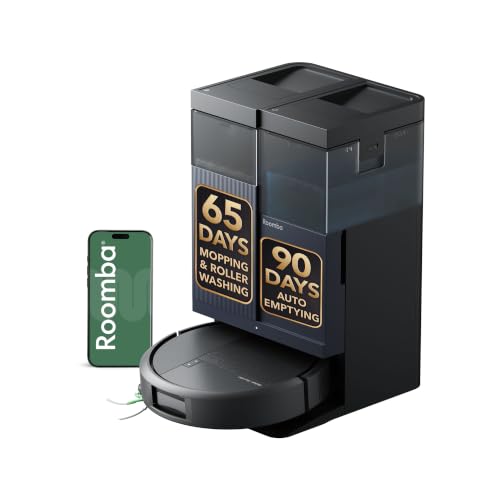
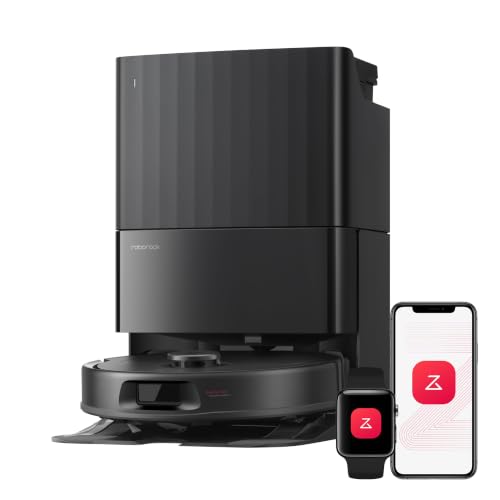
After evaluating each model, the iRobot Roomba 415X Robot Vacuum & Mop Combo stands out for its 20,000 Pa suction, self-emptying dock, and smart obstacle avoidance that handles cords and toys without pre-cleaning. For a more budget-friendly option that still offers strong navigation and mopping, the roborock 2026 New Qrevo S Pro Robot Vacuum delivers excellent obstacle detection and a comprehensive self-cleaning dock. Both provide reliable hands-free cleaning for different needs and budgets.
Related Guides
Frequently Asked Questions
How does obstacle avoidance work in robot vacuums?
Most robot vacuums use LiDAR, structured light, or camera sensors to detect objects in their path. LiDAR scans the room with laser pulses to create a map, while structured light projects patterns to measure depth. Camera-based systems identify specific items like shoes or pet bowls. These technologies help the robot navigate around obstacles without getting stuck.
Can robot vacuums avoid pet waste?
Some high-end models with advanced obstacle recognition can avoid pet waste, but it is not guaranteed. The iRobot Roomba 415X uses obstacle recognition to avoid cords and toys, but pet waste may still be a challenge. Always check the manufacturer’s specifications and consider setting no-go zones in areas where your pet frequently leaves messes.
Do robot vacuums with obstacle avoidance work in the dark?
LiDAR-based robots work well in complete darkness because they rely on laser scanning rather than visible light. Camera-based systems may struggle in low light unless they have an infrared sensor. For homes with nighttime cleaning schedules, choose a model with LiDAR navigation for reliable obstacle avoidance in the dark.
How often do I need to replace the dust bag in a self-emptying dock?
Most self-emptying docks hold dust bags that last 60 to 90 days depending on usage. The iRobot Roomba 415X dock empties for up to 90 days, while the roborock Q10 S5+ bag lasts about 70 days. Check the bag capacity and your home’s dirt level to determine replacement frequency. For more tips on maintenance, refer to our robot vacuums guide.