
Tile floors are beautiful, durable, and cool underfoot, but they come with a unique set of cleaning challenges. Grout lines trap fine dust, dirt collects in corners, and spills can dry into stubborn stains. If you are tired of sweeping and mopping by hand, a robot vacuum designed for hard floors can be a game changer. In this guide, we compare the top robot vacuums for tile floors in 2026, focusing on suction power, mopping ability, and smart navigation.
We have selected seven models from leading brands like Shark, eufy, and iRobot, each with its own strengths. Whether you have pets that shed constantly or you want a hands-free cleaning experience, there is a robot vacuum here for you. Let us dive into the details and find the perfect match for your tile floors. For more options, check out our robot vacuum category page.




Buying Guide: What to Look for in a Robot Vacuum for Tile Floors
Suction Power and Hard Floor Performance
Tile floors are non-porous, so they do not trap dirt like carpets do, but dust and debris can settle into grout lines and crevices. A robot vacuum with strong suction, ideally 5,000 Pa or higher, can lift fine particles effectively. Models like the roborock Qrevo 2 Pro with 20,000 Pa suction and the eufy C28 with 15,000 Pa are excellent choices for deep cleaning tile.
Additionally, look for a vacuum that offers a hard floor mode or automatically adjusts suction when it detects tile. Some models, like the iRobot Roomba 705X, use Carpet Boost to increase power on rugs, but they also excel on hard floors. For homes with a mix of tile and carpet, a model that transitions smoothly is ideal.
Mopping Capabilities for Stuck-On Messes
Tile floors often need mopping, not just vacuuming, especially in kitchens and bathrooms. A robot vacuum and mop combo can save you time by doing both in one pass. Look for features like rotating mop pads, pressure application, and self-cleaning rollers. The eufy Omni C20 uses a 6N downward pressure mop, while the Shark Stratos features sonic mopping that scrubs up to 100 times per minute.
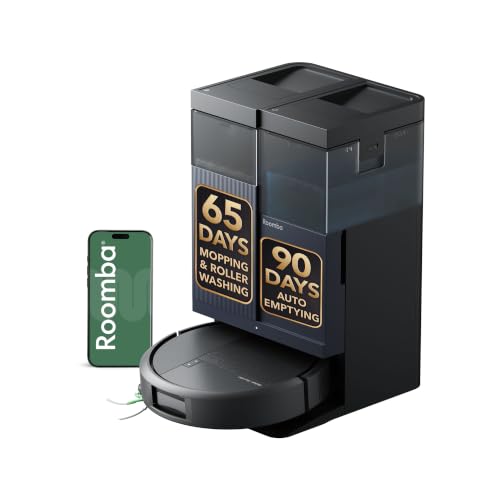
Some advanced models, like the iRobot Roomba 705X, have a self-cleaning roller mop that continuously washes itself during use, preventing dirty water from spreading. If you have pets or kids, a robot that can handle dried-on stains is a must. For more on mop combos, visit our robot vacuum mop combo page.
Navigation and Edge Cleaning
Tile floors often have baseboards, corners, and transitions between rooms. A robot vacuum with LiDAR navigation can map your home accurately and avoid obstacles, ensuring thorough coverage. The roborock Qrevo 2 Pro features FlexiArm technology that extends the mop to clean within 1.85 mm of walls, while the eufy E25 includes a CornerRover Arm for edge coverage.
Obstacle avoidance is also crucial, especially if you have cords or pet toys on the floor. The iRobot Roomba 705X uses PrecisionVision AI to recognize and avoid cords, socks, and even pet waste. This means you can run the vacuum without pre-cleaning, which is a huge convenience.
Self-Emptying and Maintenance
One of the biggest selling points of modern robot vacuums is the self-emptying dock. Models like the iRobot Roomba 415X and the eufy C28 offer up to 75 days of hands-free dust disposal, which is perfect for busy households. The Shark Stratos has a 60-day capacity bagless bin, and the eufy Omni C20 offers 60 days as well.
Beyond dust emptying, consider whether the dock also washes and dries the mop pads. The eufy Omni C20 washes and dries mop pads automatically, while the roborock Qrevo 2 Pro uses high-temperature water for mop self-cleaning. These features reduce manual maintenance significantly. For more on self-emptying models, check our self-emptying robot vacuum guide.
Final Thoughts
Choosing the best robot vacuum for tile floors depends on your specific needs: if you have pets and need powerful suction with smart mopping, the roborock 2026 New Qrevo 2 Pro Robot Vacuum is a top contender, while the eufy C28 Robot Vacuum and Mop Combo, 15,000 Pa offers exceptional edge cleaning and self-maintenance for a hands-free experience. Both excel on tile, but the roborock shines with its 20,000 Pa suction and FlexiArm mop, whereas the eufy C28 impresses with its HydroJet roller mop and 75-day station. Evaluate your floor type, pet situation, and desired level of automation to make the right choice.
Related Guides
Frequently Asked Questions
Can a robot vacuum handle grout lines on tile floors?
Yes, robot vacuums with strong suction can lift dirt from grout lines, but models with a dedicated hard floor mode or high Pa ratings are more effective. The roborock Qrevo 2 Pro and eufy C28 are excellent for this task.
Do robot vacuums with mopping work well on tile?
Absolutely. Robot vacuum and mop combos are ideal for tile because they can vacuum and mop in one pass. Look for models with rotating mop pads and pressure sensors, like the eufy Omni C20 or Shark Stratos, to tackle dried-on stains.
How often should I run a robot vacuum on tile floors?
For most homes, running a robot vacuum every day or every other day keeps tile floors clean. If you have pets or high traffic, daily runs are recommended. Use the scheduling feature in the app to automate cleaning.
Are self-emptying robot vacuums worth it for tile floors?
Yes, self-emptying models save you from frequent dustbin emptying, which is especially useful if you have allergies. The iRobot Roomba 415X and eufy C28 offer up to 75 days of hands-free maintenance. For more tips, read our best time to buy a robot vacuum guide.