
You have just finished a long day at work, and the last thing you want to do is spend your evening pushing a vacuum around the house. Maybe you have a shedding pet, kids who track in crumbs, or simply a busy schedule that leaves little time for floor care. You are not alone. The good news is that robot vacuums have evolved into genuine household helpers that can handle the daily grime. Two brands dominate this space: iRobot, the pioneer behind the Roomba line, and Roborock, the innovative challenger known for powerful suction and smart features. This guide breaks down the key differences between Roomba vs Roborock models, helping you decide which robot vacuum fits your home and lifestyle in 2026.
Whether you want a budget-friendly model for a small apartment or a high-end unit with self-emptying and advanced mopping, we have evaluated six top contenders. We cover suction power, navigation, mopping ability, pet hair performance, and overall value. By the end, you will know exactly which robot vacuum to buy. If you are new to robot vacuums, you might also want to read our complete guide on how to choose a robot vacuum for a deeper understanding of key features.




Buying Guide
Suction Power and Cleaning Performance
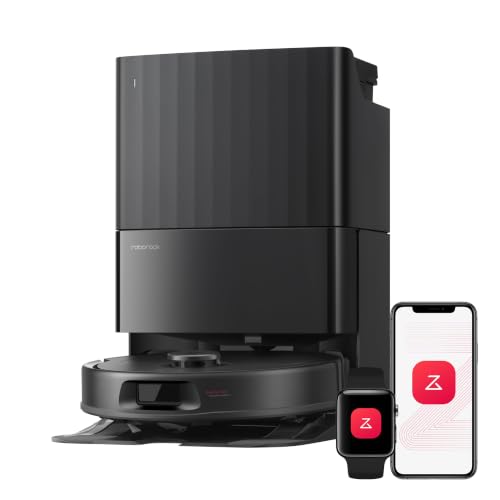
The heart of any robot vacuum is its suction power. Measured in Pascals (Pa), higher numbers generally mean better pickup of dirt, dust, and pet hair from both hard floors and carpets. Roborock models often lead here: the roborock Qrevo S Pro offers an impressive 18,500 Pa, while the roborock Q10 S5+ delivers 10,000 Pa. iRobot counters with the iRobot Roomba 415X at 20,000 Pa, proving it can match or exceed Roborock in raw power. For homes with thick carpets or heavy pet shedding, prioritize models with 15,000 Pa or more. The iRobot Roomba 105 and iRobot Roomba 115X also provide strong suction for daily cleaning.
Beyond suction, brush design matters. iRobot uses tangle-free rubber brushes that resist hair wrap, while Roborock employs anti-tangle systems like the JawScrapers Comb main brush. Both are effective, but iRobot’s design is particularly praised for pet owners. If you have long hair or a heavy-shedding dog, check out our guide on robot vacuums for pet hair for more tailored recommendations.
Navigation and Obstacle Avoidance
You want a robot that cleans methodically, not randomly. Both brands use LiDAR (laser-based) navigation for precise mapping and efficient path planning. The iRobot Roomba 415X features LiDAR with obstacle recognition, avoiding cords, shoes, and toys. The roborock Q10 S5+ uses PreciSense LiDAR and ReactiveTech obstacle avoidance, which uses structured light to detect and navigate around objects. The roborock Qrevo S Pro also includes smart obstacle detection. For homes with clutter, these features are invaluable. If you prioritize avoiding obstacles, see our picks for the best robot vacuum with obstacle avoidance.
Lower-priced models like the iRobot Roomba 115X and roborock Q7 L5 still use LiDAR but may lack advanced obstacle avoidance. They will map and clean efficiently but might bump into objects. For most homes, this is acceptable, but if you have many floor obstacles, invest in a model with proactive avoidance.
Mopping Capabilities
Many robot vacuums now double as mops, but not all are created equal. iRobot’s high-end iRobot Roomba 415X features SmartScrub that applies extra pressure for stubborn messes, and its AutoWash Dock washes and heat-dries mop pads. The iRobot Roomba 115X and iRobot Roomba 105 use a standard microfiber pad with water control. Roborock excels here with the roborock Q10 S5+ featuring VibraRise 2.0, which scrubs at 3000 times per minute and lifts the mop 8mm on carpets. The roborock Qrevo S Pro also has a smart mop system with self-cleaning and warm air drying. For homes with mixed flooring, Roborock’s mop lifting is a clear advantage, keeping carpets dry. If mopping is a priority, consider models with self-cleaning docks for less maintenance.
For a deeper dive into models that excel at both vacuuming and mopping, visit our robot vacuum mop combos category.
Self-Emptying and Maintenance
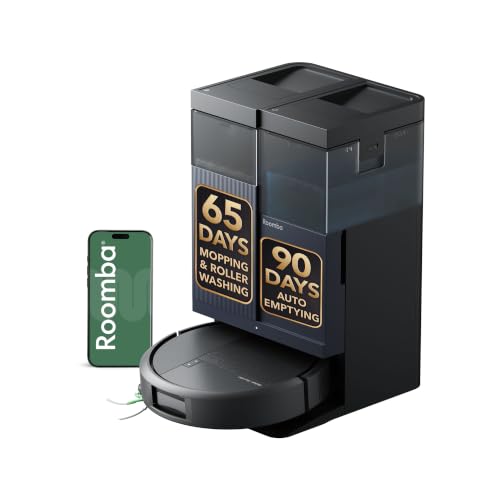
One of the biggest conveniences is a self-emptying dock that collects debris for weeks or months. iRobot offers this on the iRobot Roomba 415X (90 days), iRobot Roomba 115X (90 days), and iRobot Roomba 105 (75 days). Roborock’s roborock Q10 S5+ provides 70 days of hands-free cleaning. The roborock Qrevo S Pro also has a self-emptying dock with a 7-9 week bag. For the ultimate in low-maintenance cleaning, choose a model with a long self-emptying interval. This is especially useful for allergy sufferers, as the sealed bags trap allergens. Check our self-emptying robot vacuums page for more options.
Maintenance also includes brush cleaning. iRobot’s rubber brushes are easy to clean, while Roborock’s anti-tangle systems reduce hair wrap. The roborock Q7 L5 is a budget option that lacks self-emptying, so you will need to empty the dustbin manually. Consider your tolerance for ongoing maintenance when choosing.
Final Thoughts
After evaluating all six models, the choice between Roomba and Roborock comes down to your specific needs. For maximum suction and a fully automated mopping and self-emptying experience, the iRobot Roomba 415X Robot Vacuum & Mop Combo is a top-tier option with 20,000 Pa suction, a 90-day self-emptying dock, and smart obstacle avoidance. If you prefer a powerful vacuum with superior carpet detection and a robust mopping system that lifts off rugs, the roborock 2026 New Qrevo S Pro Robot Vacuum offers excellent value with 18,500 Pa suction, an all-in-one dock, and smart carpet strategy. Both brands deliver reliable performance, but your decision should hinge on whether you prioritize iRobot’s proven ecosystem and pet hair handling or Roborock’s innovative mopping and navigation features.
Related Guides
Frequently Asked Questions
Which is better for pet hair: Roomba or Roborock?
Both brands handle pet hair well, but iRobot’s tangle-free rubber brushes are particularly effective at preventing hair wrap. Models like the iRobot Roomba 415X and iRobot Roomba 115X are excellent choices for homes with shedding pets. Roborock’s anti-tangle systems, such as the JawScrapers Comb brush on the Q10 S5+, also perform well. For heavy shedders, iRobot may have a slight edge.
Do Roborock vacuums work with Alexa or Google Home?
Yes, most Roborock models, including the roborock Q10 S5+ and roborock Qrevo S Pro, support voice control via Amazon Alexa and Google Home. You can start, stop, pause, or send the robot back to its dock using voice commands. iRobot models also offer similar voice assistant integration through the Roomba Home app.
How long do robot vacuum batteries last?
Battery life varies by model. The iRobot Roomba 115X can cover up to 900 sq ft per charge, while higher-end models like the roborock Qrevo S Pro typically run for 120-180 minutes on a single charge. Most robot vacuums automatically return to their dock to recharge when the battery is low, then resume cleaning. For larger homes, consider a model with a larger battery or a self-emptying dock.
Are robot vacuums worth it in 2026?
Absolutely. Modern robot vacuums have become highly capable, with advanced navigation, strong suction, and self-emptying features that save you time and effort. They are especially valuable for busy households, pet owners, and anyone who wants consistently clean floors without manual labor. For a detailed look at the benefits, read our article on whether robot vacuums are worth it.

