
🔥 Roomba Black Friday Deals for 2026: picks worth watching →
You have just finished a long day, and the last thing you want to do is spend an hour vacuuming and mopping your floors. You want a robot that can handle the mess, navigate around pet toys, and keep your home clean without constant babysitting. That is where the battle between Roomba and Dreame robot vacuums comes in. Both brands offer powerful options, but they take different approaches to cleaning. This guide will help you understand the key differences so you can choose the right one for your home.
We have evaluated six of the latest models from iRobot and Dreame, ranging from entry-level combos to premium self-cleaning powerhouses. Whether you have pets, carpets, or a mix of hard floors, we will help you find the best fit. For more context on the broader market, check out our guide to the best brand robot vacuum and mop.



Buying Guide
Suction Power and Cleaning Performance
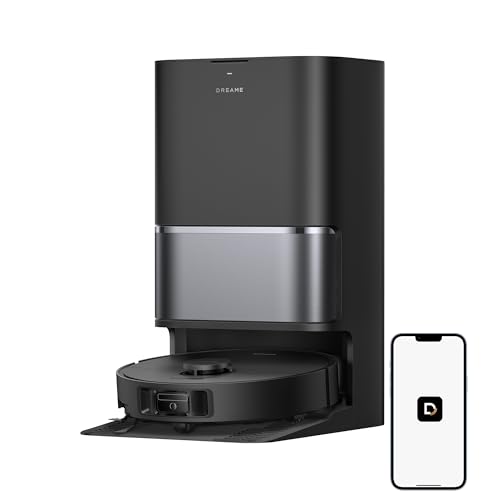
Suction power is a critical factor for deep cleaning, especially on carpets. Dreame models like the dreame L40 Ultra Gen 2 Robot Vacuum and Mop offer up to 25,000Pa of suction, which is impressive for handling embedded dirt and pet hair. The iRobot Roomba Plus 678 takes a different approach with active SealForce Technology, which creates a tight seal against carpets for deeper cleaning, even if its raw suction numbers are lower. For homes with high-pile carpets, Dreame’s higher suction may be more effective, while iRobot’s sealed brush zone excels on low to medium pile carpets.
Mopping and Self-Cleaning Features
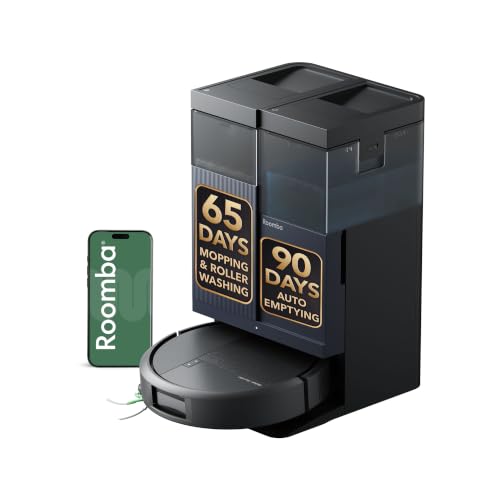
Both brands have invested heavily in mopping technology, but they differ in execution. Dreame models like the dreame L10s Pro Ultra Heat Robot Vacuum and Mop use hot water washing and hot air drying to keep mops clean, while the iRobot Roomba Plus 415 uses an AutoWash Dock that washes and heat dries mop pads after every run. The iRobot Roomba Plus 678 goes a step further with a self-cleaning PowerSpin roller mop that uses heated water and downward pressure to scrub stubborn stains. For homes with mostly hard floors, the automated mopping maintenance can be a game changer.
Navigation and Obstacle Avoidance
Smart navigation is essential for a robot vacuum to clean efficiently without getting stuck. Both brands use LiDAR and obstacle recognition, but Dreame’s Smart Pathfinder and 3DAdapt technologies are designed to map your home with precision and avoid up to 55 types of objects. iRobot’s ClearView LiDAR also maps rooms in neat rows and avoids obstacles like shoes and pet bowls. The iRobot Roomba Plus 415 even lifts its mop pads 10mm when crossing carpets to keep them dry. For busy homes with clutter, both systems work well, but Dreame’s object recognition is slightly more comprehensive.
If you are still comparing brands, our shark vs roborock robot vacuum might also offer useful insights.
Final Thoughts
Choosing between Roomba and Dreame ultimately comes down to your specific cleaning needs and how much automation you want. For pet owners and those with heavy carpet cleaning demands, the iRobot Roomba Plus 678 Robot Vacuum & Mop Combo offers a powerful combination of carpet sealing, heated scrubbing, and hands-free maintenance that can handle daily messes with minimal effort. On the other hand, if you prioritize raw suction and corner cleaning on hard floors, the dreame L40 Ultra Gen 2 Robot Vacuum and Mop provides exceptional value with its high suction, extendable brush and mop, and long battery life, making it a great choice for larger homes with a mix of surfaces.
Related Guides
Frequently Asked Questions
Which brand is better for pet hair, Roomba or Dreame?
Both brands handle pet hair well, but they use different approaches. Dreame models like the dreame D20 Pro Plus Robot Vacuum and Mop feature a detangling DuoBrush that reduces hair wrap, while iRobot uses tangle-free rubber brushes that resist pet hair wrapping. For heavy shedding, iRobot’s designs are often easier to maintain, but Dreame’s high suction can lift more hair from carpets.
Do these robot vacuums work with voice assistants?
Yes, most models from both brands support voice control through Alexa, Google Home, and Apple Siri. Dreame models also support the DreameHome app for custom cleaning schedules and zones. iRobot uses the Roomba Home App for similar functionality. All models require a 2.4GHz Wi-Fi connection for setup and voice control.
How often do I need to empty the dust bin?
It depends on the model. Self-emptying models like the dreame D20 Pro Plus can hold up to 150 days of debris with its 5L dust bag, while the iRobot Roomba Plus 415 offers up to 90 days of hands-free emptying. Non-self-emptying models require manual emptying after each cleaning session, which may be more frequent for larger homes or homes with pets.